

I'm worried about symptoms
The red flags, what they actually feel like, and word for word what to say when you get to A&E.
Check the red flagsSuspected Cauda Equina? Go straight to A&E now.
What to say →By patients. For patients. Standing with you.
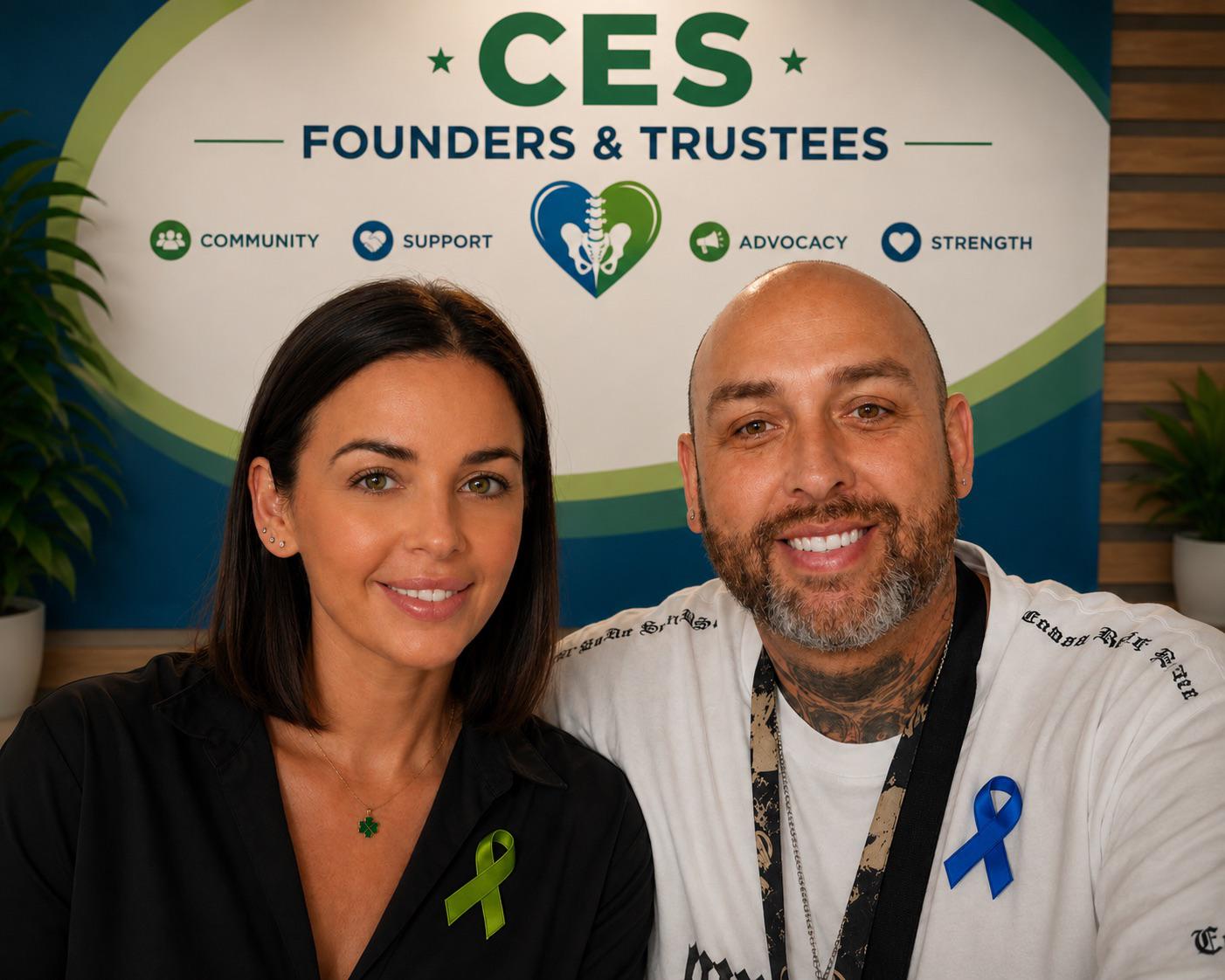
Cauda Equina Support & Advocacy UK is run by people who’ve been through CES themselves. Wherever you are with it — worried about symptoms, waiting for surgery, or home and wondering what on earth happens now — there’s someone here who understands.
— Gemma and Daz
The red flags, what they actually feel like, and word for word what to say when you get to A&E.
Check the red flagsHome after surgery and nobody prepared you for this bit. Bladder, bowel, pain, work, mood — and who to ask.
Life after CESFor partners, parents and carers — including what to do with your own worry, which nobody asks about.
Families & carersNICE guideline NG59
These are the red flag symptoms of Cauda Equina Syndrome as defined by NICE NG59. Even one of them needs urgent A&E assessment. Full guidance & A&E script →
Any of these symptoms? Go straight to A&E.
Do not wait for a GP appointment. Tell triage you are concerned about Cauda Equina Syndrome and ask for an urgent MRI.
Numbness, tingling or altered feeling in the inner thighs, buttocks, perineum or genitals.
Difficulty starting urination, inability to pass urine, loss of the urge to go, or new leakage.
New faecal incontinence, loss of sensation when passing stool, or loss of anal tone.
Sudden loss of genital sensation, erectile dysfunction or inability to ejaculate.
Severe pain, weakness or altered sensation in both legs — or rapidly progressing in one.
Especially when it occurs alongside any of the symptoms above.
This list reflects the clinically recognised CES red flags. Other symptoms (e.g. general back pain alone) are not red flags on their own — but combined with the above, they require urgent assessment.
Use these words at triage. They reference NICE guideline NG59, which sets out how CES should be assessed urgently.
I am worried I may have Cauda Equina Syndrome. I have new red flag symptoms — please assess me urgently in line with NICE guideline NG59. My symptoms include: [describe yours, e.g. numbness in the saddle area, loss of bladder or bowel control, bilateral leg pain or weakness, or sexual dysfunction]. I understand I need an urgent MRI of the lumbar spine.
The community
Recovery from CES isn’t a straight line and most of it is invisible to everyone around you. So our community is built on one small idea: one percent better every day.
You log one thing you managed — got out of bed, walked to the gate, finally rang the continence nurse — and a handful of people who know exactly what that cost you see it. Bad days go in as well, and nothing counts them.
We’re opening the first group soon. Put your name down and we’ll come to you first.
Put your name downToday · Day 34
Your group today
Managed a whole shower standing up.
Rough one today. Still here though.
Watch & listen
Daz and Gemma are recording it as they go — the first week home, the appointments, the bits people don’t say out loud. Easier to watch than to read, and a lot easier to believe.
Vlog
Suggested opener — the one everyone searches for.
Podcast
We’ll put this live once episode one is recorded.
Every story we put up means one more person realises they’re not the only one it happened to. It doesn’t have to be on camera.
Share your storyHow we help
From the moment things go wrong, through diagnosis and recovery, into the long journey that follows — we’re here.
Connect with others who truly understand. One-to-one and group support from fellow CES survivors.
Find a peerCES affects whole families. Resources, listening ears and guidance for partners, parents and carers.
Get helpWe stand with patients navigating NHS pathways, complaints, and the long road to recognition.
Speak to usHelping the public, GPs and emergency teams recognise the red flags before it's too late.
Get involvedPatient guides, posters and training materials, written with clinicians and reviewed by survivors.
Browse hubWe're building a dedicated CES support line. Register your interest and we'll keep you posted.
Coming soonMeet-ups, walks, awareness days and our annual gala. Real connection, in person and online.
See eventsIn-person community for everyone affected by CES — patients, partners, parents and carers. A safe, welcoming space where nobody has to face their journey alone.
Register your interestLiverpool
July 2026
Education hub
We’re building a free library of awareness and training materials — co-created with NHS clinicians and reviewed by survivors. In the meantime, our written guides are live now:
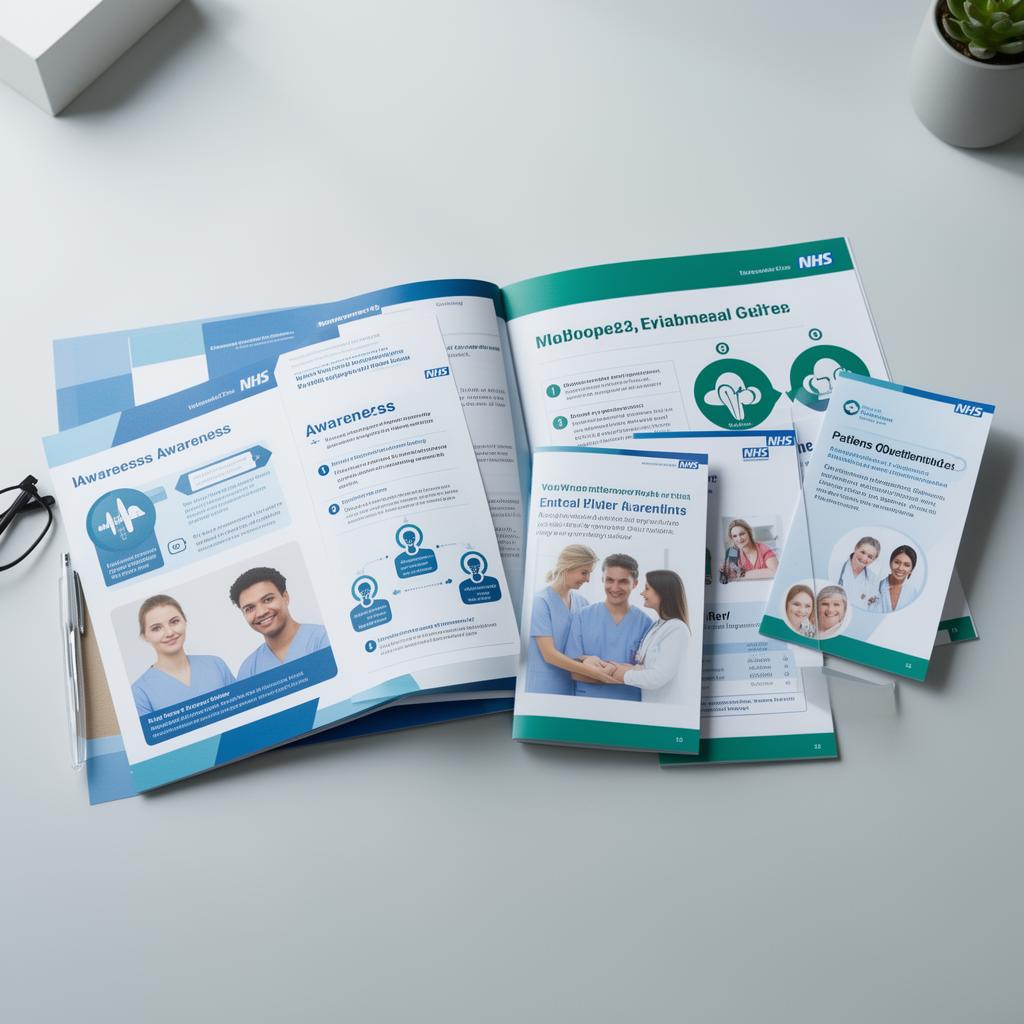
Plain-English booklets explaining diagnosis, surgery and recovery.
Waiting-room posters that help patients spot the red flags.
Materials co-developed with NHS clinicians and patient groups.
Teaching packs for medical, nursing and physio students.
Run your own local awareness day with our printable kit.
Triage-friendly visual aids for emergency departments.
Donate
Your donation funds awareness materials, peer support, and advocacy work that gets CES recognised before it’s too late.
Awareness leaflets for a GP surgery
Print life-saving posters for hospitals
Support a peer-mentoring session
Fund a community workshop
Secure donations handled by GoFundMe. Opens in a new tab.
Nobody here is a professional talking at you. We’re people who’ve had Cauda Equina Syndrome, building the thing we needed and couldn’t find. If you want to talk to a person, you can.
07395 767 025Registered charity no. 1219532 · In a medical emergency, always call 999 or go to your nearest A&E.
Get in touch
Whether you need support, want to share your story, or are looking to partner with us — we’d love to hear from you.
Awareness updates, campaigns and event news. No spam — promise.